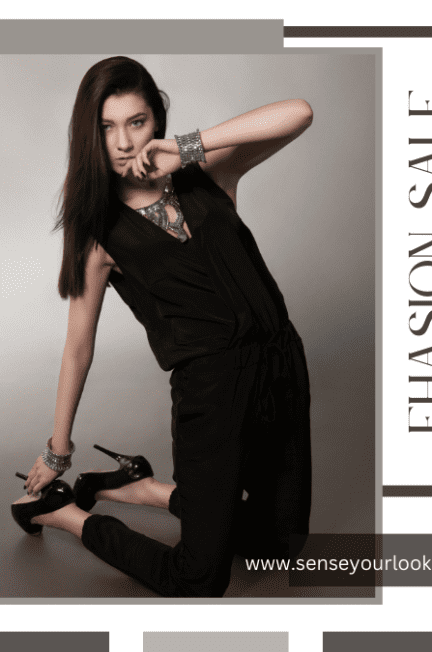
In the world of fashion, trends come and go in the blink of an eye, but style? Style is timeless. As Diana Vreeland once said, “Fashion is part of the daily air and it changes all the time, with all the events. You can even see the approaching of a revolution in clothes. You can see and feel everything in clothes.”
She was right—you can tell a lot about someone’s personality, mood, and creativity through what they wear.
But here’s the truth: you don’t need an overflowing wardrobe or the latest runway pieces to look stylish. In fact, the secret to looking effortlessly put-together often lies in a few key essentials, the right fit, and a little styling know-how.
In this post, we’ll break down 10 tried-and-true fashion tips that anyone—from complete beginners to seasoned style lovers—can use to create a polished, personal, and versatile wardrobe.

1. Build Your Wardrobe Around Timeless Essentials
Fashion trends are fun, but wardrobe essentials are forever. Think of them as the foundation of your style—pieces
you can mix, match, and rely on every single season.
Must-have wardrobe staples include:
- A perfectly fitting little black dress for any occasion.
- A pair of classic blue jeans that make you feel confident.
- A well-tailored blazer that adds instant polish to casual or dressy outfits.
- Basic white and black T-shirts in high-quality fabrics.
- A crisp white button-down shirt for layering or standalone looks.
- A simple leather jacket or denim jacket for year-round wear.
Style Tip: Choose quality over quantity. Two pairs of perfectly fitting jeans are worth more than six that sit untouched in your closet.
2. Prioritize the Perfect Fit
Even the most expensive piece will lose its charm if it doesn’t fit properly. Clothes that drag, bunch, or pinch will never look stylish—no matter the brand tag.
Why tailoring matters:
A small adjustment can be the difference between “nice” and “flawless.” Taking your clothes to a good tailor ensures they hug (or skim) your body in all the right places.
For example:
- Shortening trouser hems to hit at the perfect ankle length.
- Taking in a blazer waist for a sharper silhouette.
- Adjusting sleeve lengths to match your proportion.
Pro Tip: Once your core wardrobe fits perfectly, you can play more confidently with oversize silhouettes or slouchy styles—because you’ll know they’re intentional, not sloppy.
3. Master the Art of Proportion
Great style isn’t always about wearing what’s “in”—it’s about creating balance.
If one piece of your outfit is roomy and voluminous, balance it out with something more fitted. This keeps your silhouette flattering and prevents you from being “overwhelmed” by fabric.
Example outfit formulas:
- A cropped blouse with wide-leg jeans.
- A fitted turtleneck with a pleated midi skirt.
- A puff-sleeve top with straight-leg trousers.
This technique creates visual harmony while letting statement pieces shine.
4. Discover Your Personal Style
Finding your personal style is a journey, not a one-time discovery.
The best way to start?
- Create a mood board with outfits, fabrics, and colors you’re drawn to.
- Experiment in fitting rooms—you’ll often be surprised by what works.
- Don’t limit yourself to “menswear” or “womenswear” categories—today’s fashion is fluid.
Real-life tip: Many people think they’re “not a skirt person” or “can’t pull off bold colors” until they try them on in the right cut or hue. Give yourself permission to experiment.
5. Be a Conscious, Intentional Shopper
A closet full of clothes is useless if you only wear 10% of them. The key is to shop smarter, not more.
Before buying something, ask:
- Does it work with what I already own?
- Will I wear it more than three times?
- Is the quality worth the price?
This mindset helps prevent impulse purchases and ensures your wardrobe works as a whole.
6. Use Belts to Instantly Upgrade an Outfit
A well-placed belt can transform an outfit.
Beyond holding up jeans, it can:
- Cinch a loose dress to give it shape.
- Define your waist over blazers or coats.
- Add structure to oversized sweaters.
For example, pair a slouchy cashmere hoodie with a billowing midi skirt, then add a sleek belt—you’ll turn what could feel “messy” into a chic statement.
7. Experiment with Color—Starting Small
If your closet is a sea of black, navy, and beige, introducing color can feel intimidating.
The trick is to start small:
- Wear a colorful scarf with a neutral outfit.
- Swap your usual black blazer for a soft pastel one.
- Try a pop of red with shoes or a bag.
As you get comfortable, you can start exploring bolder combinations using a color wheel for inspiration—like cobalt with mustard, or blush pink with forest green.
8. Play with Textures and Patterns
The old rule of matching shoes and bags? Outdated. Today’s chic look is all about mixing fabrics and prints in creative, balanced ways.
Begin with neutrals in varying textures—silk with leather, denim with chunky knits—then slowly introduce patterns like stripes, checks, or floral prints.
Beginner-friendly combos:
- Striped shirt + leather skirt.
- Plaid blazer + solid trousers.
- Knit sweater + satin midi skirt.
Remember, the magic happens when the textures complement each other, not compete.
9. Invest in Quality Footwear and Accessories
Your shoes and accessories pull your look together—and they’re often the first things people notice. While you can get away with basics in clothing, cheap shoes and flimsy bags tend to look… well, cheap.
Choose pieces that are:
- Comfortable enough to wear often.
- Neutral enough to work across several outfits.
- Durable so they last for years.
A pair of classic white sneakers, black ankle boots, nude pumps, and leather loafers can take you far.
10. Confidence: The Ultimate Style Ingredient
No fashion tip works without confidence. A $20 dress worn with good posture and self-assurance can easily outshine a $2,000 designer gown worn timidly.
Whatever you wear, own it. Walk tall. Smile. Style is as much about how you feel in your clothes as it is about the clothes themselves.